
Around the Clock resource
Garage Door Noise: Causes and Solutions
Welcome to Around The Clock Garage Door, your trusted experts in quality garage door installations and repairs. We understand that a noisy garage door can be a significant annoyance, disrupting your peace and quiet. But did you know that garage door noise can also indicate underlying issues that need immediate attention? In this blog, we delve into the common causes of garage door noise and provide practical solutions to help you restore tranquility in your home. From worn-out parts to improper lubrication, we cover it all. Don’t let a noisy garage door ruin your day. Book an appointment with us today at (650) 489-6631 or schedule a service request on our website. Let us help you ensure your garage door operates smoothly and silently, enhancing your home’s overall comfort and security.
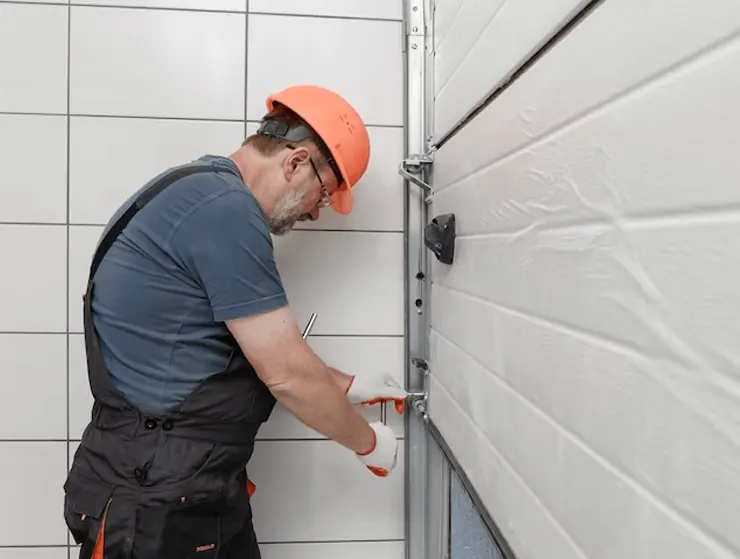 Springs, openers, tracks, cables, rollers, panels, and installation
Service system
Understand the problem before choosing the work
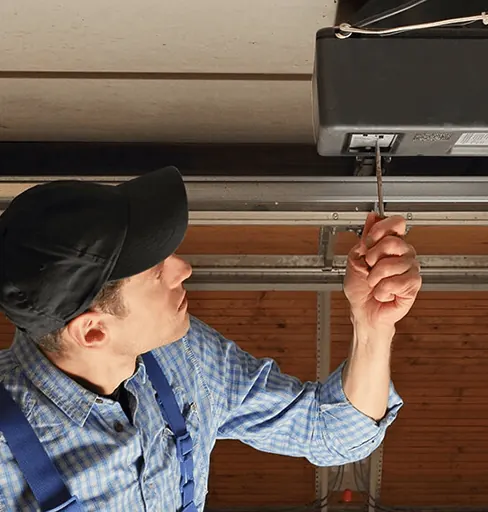
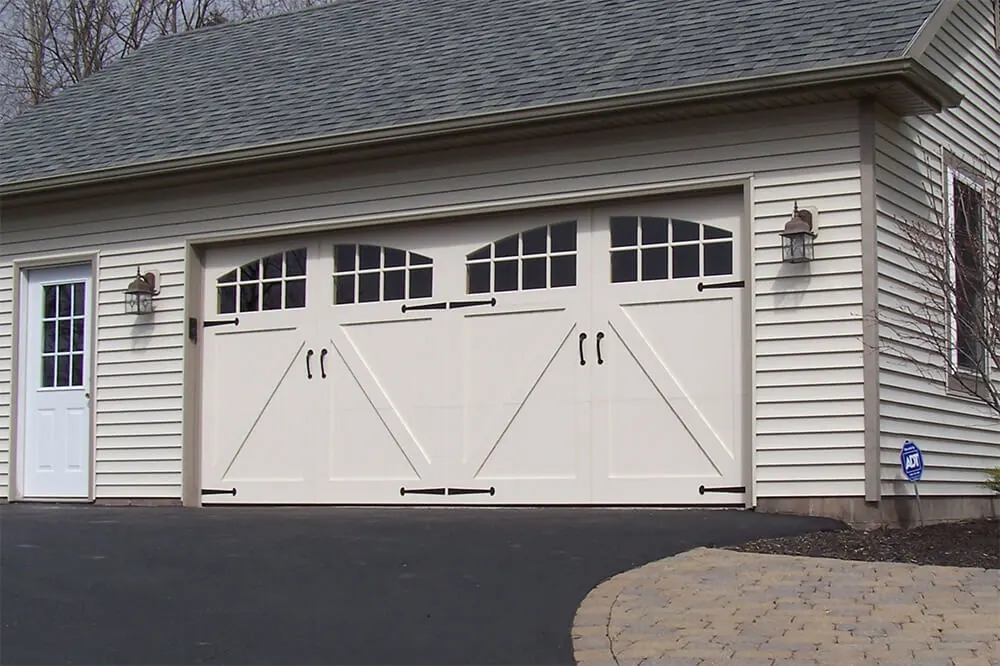
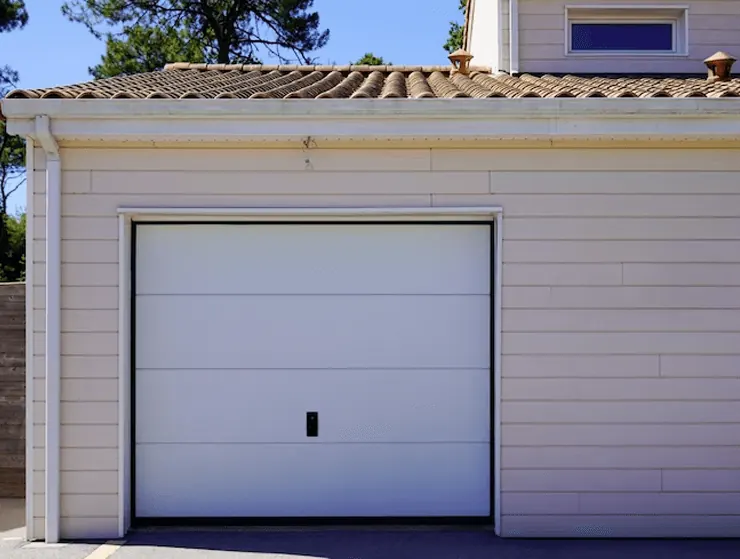
Garage door resource
What to know before service
Garage door resource
Understanding the Basics: What is Garage Door Noise?
Garage door noise is a common issue faced by many homeowners. It can be a source of great annoyance and inconvenience, especially when it disrupts the peace and quiet of your home. Understanding the basics of garage door noise is crucial in identifying the causes and finding the right solutions.
Garage door noise typically manifests as a loud, grating, or squeaking sound that occurs when the door is opened or closed. It can be caused by a variety of factors, including worn-out or damaged parts, lack of lubrication, or misalignment of the door’s components.
It’s important to note that garage door noise is not just a nuisance – it can also be a sign of a more serious problem. If left unchecked, it can lead to further damage and potentially costly repairs. Therefore, it’s crucial to address the issue as soon as you notice it.
If you’re unsure of what’s causing the noise or how to fix it, it’s best to consult with a professional. At Around the Clock Garage Door, we offer a range of services to help you diagnose and resolve your garage door noise issues. Our team of experts can inspect your door, identify the cause of the noise, and provide the necessary repairs or replacements.
In addition to professional services, there are also steps you can take to prevent garage door noise. Regular maintenance, including lubrication and alignment checks, can help keep your door running smoothly and quietly. You can also consider installing a new garage door or upgrading your existing one with noise-reducing features.
In conclusion, understanding the basics of garage door noise is the first step towards finding a solution. By identifying the cause and seeking professional help, you can ensure that your garage door operates smoothly and quietly, enhancing the comfort and convenience of your home.
- Worn-out or damaged parts: Over time, the components of your garage door can wear out or become damaged. This includes the springs, rollers, and hinges. When these parts are not functioning properly, they can create a lot of noise. For instance, if the springs are worn out, they can cause a loud, banging noise when the door is opened or closed.
- Lack of lubrication: Garage doors require regular maintenance and lubrication to function smoothly. If the moving parts of the door are not lubricated regularly, they can create a squeaking or grinding noise.
- Misalignment: If the tracks of the garage door are not aligned properly, it can cause the door to make a loud, screeching noise. This is because the door is not moving smoothly along the tracks, causing friction and noise.
Garage door resource
Common Causes of Garage Door Noise
Garage doors are an essential part of your home, providing security and convenience. However, they can sometimes produce annoying noises that can disrupt your peace and quiet. Understanding the reasons behind these noises can help you identify the necessary solutions.
One of the most common reasons for garage door noise is lack of lubrication. The moving parts of a garage door, such as the rollers, springs, and hinges, need regular lubrication to function smoothly. Without it, these parts can create a grinding or squeaking noise. Regular garage door maintenance can help prevent this issue.
Another common cause is loose hardware. Over time, the nuts and bolts that hold your garage door together can become loose due to the constant movement of the door. This can result in a rattling noise every time you open or close the door. Regularly checking and tightening loose hardware can help reduce this noise.
Worn out or damaged parts can also cause noise. For example, worn-out rollers can create a grinding noise, while a damaged garage door opener can produce a humming or buzzing sound. If you notice any unusual noises, it’s best to contact a professional garage door repair service to inspect and replace any damaged parts.
Misaligned tracks can also lead to noise. If your garage door is not aligned correctly, it can create a scraping sound as it moves along the tracks. This issue can be fixed by adjusting the tracks or replacing them if necessary. You can find more information about this in our garage door alignment section.
Lastly, the type of garage door opener you have can also contribute to the noise level. Chain-drive openers are known to be noisier compared to belt-drive or screw-drive openers. If noise is a significant concern for you, consider upgrading to a quieter model. Check out our new garage opener options for more details.
In conclusion, garage door noise can be caused by a variety of factors, including lack of lubrication, loose hardware, worn out or damaged parts, misaligned tracks, and the type of garage door opener. Regular maintenance and timely repairs can help keep your garage door running smoothly and quietly. If you’re unsure about the cause of the noise or how to fix it, it’s always best to consult with a professional.
Garage door resource
The Impact of Garage Door Noise on Your Daily Life
The noise emanating from your garage door can have a significant impact on your daily life. It can disrupt your peace, interrupt your sleep, and even affect your productivity. This noise is not just an annoyance; it’s a sign that something is wrong with your garage door system. It could be due to a variety of reasons, such as worn-out parts, lack of lubrication, or misalignment.
A noisy garage door is often a sign of worn-out or damaged parts. Over time, the parts of your garage door can wear out and cause it to make noise. This includes the springs, rollers, and hinges. If these parts are not replaced in a timely manner, they can cause further damage to your garage door system. If you’re unsure about the condition of your garage door parts, you can check them or contact a professional for assistance.
Lack of lubrication is another common cause of garage door noise. The moving parts of your garage door need to be lubricated regularly to function smoothly. If they’re not, they can create friction and cause your garage door to make noise. Regular maintenance can help prevent this problem.
Misalignment is also a common cause of garage door noise. If your garage door is not properly aligned, it can create a lot of noise when it’s opened or closed. This can be caused by a variety of factors, such as a bent track or a broken cable. If your garage door is misaligned, it’s important to get it aligned as soon as possible to prevent further damage.
The noise from your garage door can have a significant impact on your daily life. It can disrupt your sleep, affect your productivity, and even cause stress. However, there are solutions to this problem. Regular maintenance, replacing worn-out parts, and ensuring your garage door is properly aligned can help reduce the noise. If you’re unsure about how to fix your noisy garage door, it’s best to contact a professional. They can diagnose the problem and provide the necessary solutions.
In conclusion, a noisy garage door is not just an annoyance; it’s a sign that something is wrong with your garage door system. By understanding the causes of garage door noise and implementing the appropriate solutions, you can reduce the noise and improve your quality of life.
Garage door resource
Quick Fixes for Common Garage Door Noises
Garage doors are an essential part of our homes, providing security and convenience. However, they can often produce annoying noises that can disrupt the peace and tranquility of your home. These noises can be caused by a variety of issues, ranging from simple wear and tear to more serious mechanical problems. Fortunately, there are several quick fixes that you can implement to silence these bothersome sounds.
One of the most common causes of garage door noise is loose hardware. Over time, the nuts and bolts that hold your garage door together can become loose, causing the door to rattle and squeak. A simple tightening of these components with a wrench can often solve this problem. If you’re unsure of how to do this, you can always reach out to the professionals at Around The Clock Garage Door for assistance.
Another common cause of garage door noise is worn-out rollers. These small wheels guide your garage door up and down its tracks, and when they become worn or damaged, they can produce a grinding or squeaking noise. Replacing these rollers can be a quick and effective way to eliminate this noise. You can find a wide selection of replacement rollers at our Garage Door Parts page.
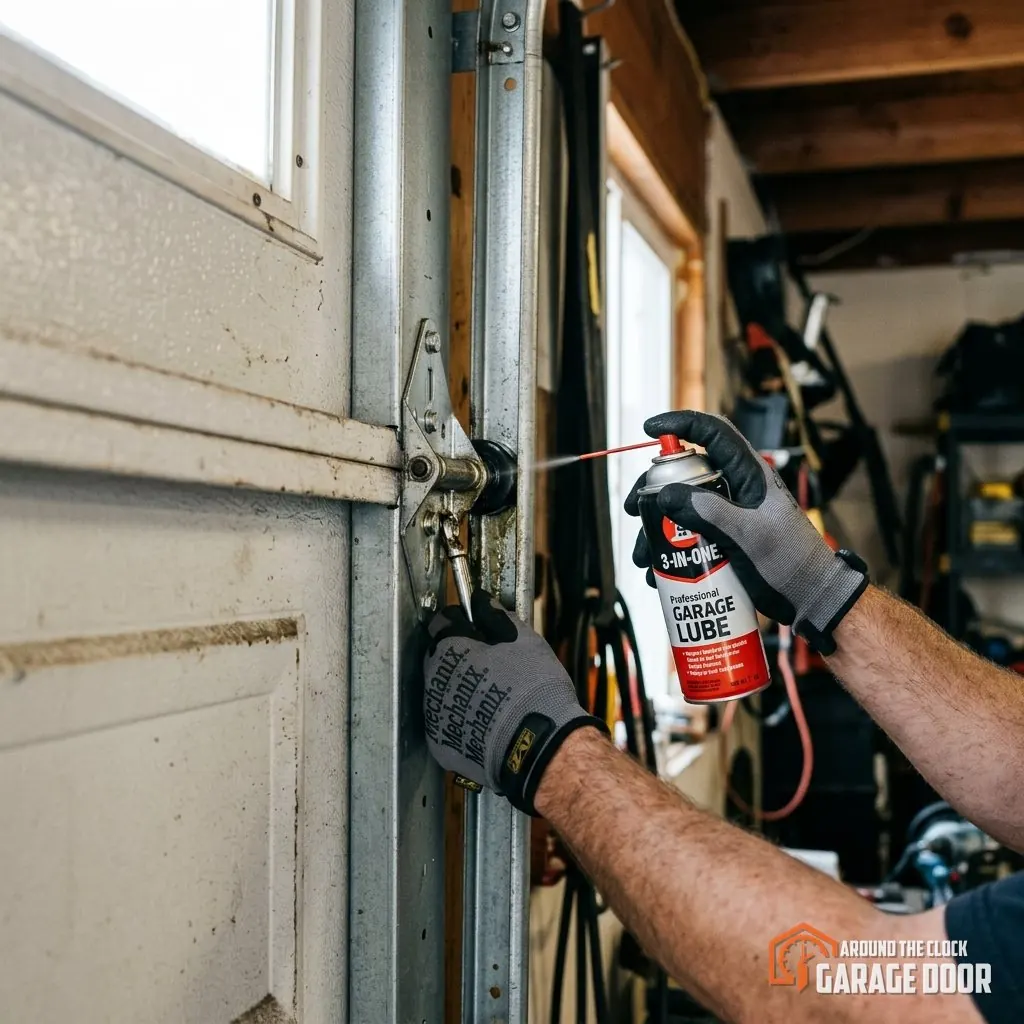
Lack of lubrication is another common cause of garage door noise. The moving parts of your garage door, such as the springs, hinges, and rollers, need to be regularly lubricated to function smoothly and quietly. Using a high-quality garage door lubricant can help reduce friction and noise. If you’re unsure of what type of lubricant to use or how to apply it, our blog has several helpful articles on the subject.
Misaligned tracks can also cause your garage door to make noise. If your garage door is not properly aligned with its tracks, it can create a rubbing or grinding noise as it opens and closes. This issue can be fixed by adjusting the tracks to ensure they are properly aligned. If you’re not comfortable doing this yourself, our team at Garage Door Alignment can help.
Finally, worn-out weather stripping can also contribute to garage door noise. This material helps to seal your garage door and prevent air leaks, but when it becomes worn or damaged, it can create a whistling or howling noise. Replacing the weather stripping can help eliminate this noise and improve the energy efficiency of your garage. You can find replacement weather stripping on our Weather Seal Replacement page.
In conclusion, while garage door noise can be annoying, there are several quick fixes that can help eliminate these sounds. Whether it’s tightening loose hardware, replacing worn-out rollers, lubricating moving parts, aligning misaligned tracks, or replacing worn-out weather stripping, these solutions can help restore the peace and quiet in your home. If you need professional assistance with any of these fixes, don’t hesitate to contact the experts at Around The Clock Garage Door.
Garage door resource
Professional Solutions for Persistent Garage Door Noise
A noisy garage door can be a significant nuisance, disrupting the peace and tranquility of your home. The persistent noise can be due to a variety of reasons, ranging from worn-out parts to poor lubrication. However, with professional assistance, you can effectively address this issue and restore the quiet operation of your garage door.
One of the most common causes of garage door noise is worn-out or damaged parts. Over time, the various components of your garage door, such as springs, rollers, and hinges, can wear out or become damaged, resulting in a noisy operation. If you notice a grinding or squeaking noise when operating your garage door, it’s a clear sign that some parts need attention. You can find a wide range of high-quality garage door parts that can help restore the smooth and quiet operation of your garage door.
Another common cause of garage door noise is poor lubrication. The moving parts of your garage door require regular lubrication to operate smoothly and quietly. If these parts are not adequately lubricated, they can produce a lot of noise during operation. Regular garage door maintenance can help prevent this problem and ensure the quiet operation of your garage door.
In some cases, the noise may be due to a misaligned or off-track garage door. This can happen due to various reasons, such as a collision with the garage door or a broken cable. An off-track garage door can be very noisy and can also pose a safety risk. Professional garage door alignment services can help correct this issue and restore the quiet operation of your garage door.
If your garage door is still noisy despite your best efforts, it may be time to consider a garage door replacement. A new garage door can not only operate more quietly but also offer improved security and energy efficiency. You can choose from a wide range of garage door styles and materials to match your home’s exterior and enhance its curb appeal.
In conclusion, a noisy garage door is a problem that can be effectively addressed with professional assistance. Whether it’s replacing worn-out parts, performing regular maintenance, aligning an off-track door, or installing a new garage door, professional services can provide the solution you need. So, don’t let a noisy garage door disrupt the peace and tranquility of your home. Seek professional help and enjoy the quiet operation of your garage door.
Garage door resource
Preventive Measures to Avoid Garage Door Noise
Garage door noise can be a significant annoyance, disrupting the tranquility of your home. However, with the right preventive measures, you can avoid this issue.
Firstly, regular maintenance is crucial. A well-maintained garage door is less likely to produce noise. This includes cleaning and lubricating the moving parts of the door. The rollers, tracks, and hinges should be cleaned with a good quality solvent and then lubricated with a silicone-based lubricant. This will ensure smooth operation and reduce noise. For more information on maintaining your garage door, you can refer to our garage door maintenance page.
Secondly, consider replacing old parts. Over time, the parts of your garage door can wear out and become noisy. If you notice that the noise is coming from a specific part, it may be time to replace it. Our garage door parts page provides a comprehensive list of parts that you might need to replace.
Another preventive measure is to ensure that your garage door is properly balanced. An unbalanced door can put extra strain on the opener, causing it to make noise. You can check the balance of your door by disconnecting the opener and manually lifting the door halfway. If it stays in place, it is balanced. If it falls, it is unbalanced and needs adjustment. Our team of experts can help with garage door alignment to ensure your door is balanced.
Insulation can also help reduce noise. An insulated garage door is not only energy-efficient but also quieter. Insulation can dampen the noise produced by the door’s movement. If you’re considering a new door, our new garage door installation service includes a variety of insulated options.
Lastly, consider the type of garage door opener you have. Chain-drive openers are known to be noisy, while belt-drive and screw-drive openers are quieter. If noise is a significant concern, you might want to consider replacing your opener with a quieter model. Visit our garage door openers repairs page for more information on different types of openers.
In conclusion, preventive measures such as regular maintenance, replacing old parts, ensuring proper balance, insulation, and choosing a quiet garage door opener can significantly reduce garage door noise. If you need professional help, don’t hesitate to contact us. We’re here to ensure your garage door operates smoothly and quietly.
Garage door resource
The Role of Regular Maintenance in Minimizing Garage Door Noise
Regular maintenance plays a pivotal role in minimizing garage door noise, ensuring smooth operation and extending the lifespan of your garage door system. This process involves several steps, each of which contributes to the overall reduction of noise and the prevention of potential damage.
Firstly, lubrication is a crucial aspect of garage door maintenance. Over time, the moving parts of a garage door, such as the rollers, hinges, and tracks, can become dry and start to squeak or grind. Regularly applying a high-quality lubricant can significantly reduce these noises and prevent wear and tear. For more information on the best lubricants to use, you can check out our blog.
Secondly, tightening loose hardware is another essential step in maintenance. The constant movement of a garage door can cause screws, bolts, and nuts to loosen over time, leading to unnecessary noise. Regularly checking and tightening these components can help maintain the quiet operation of your garage door.
Another crucial aspect of maintenance is the inspection and replacement of worn-out parts. Parts like springs, cables, and rollers can wear out over time, causing noise and potentially leading to more serious issues. Regular inspections can help identify these problems early, allowing for timely replacements and preventing further damage.
Moreover, the alignment of the garage door tracks is vital for noise reduction. Misaligned tracks can cause the door to move unevenly and create noise. Regular checks and adjustments can ensure the tracks are correctly aligned, promoting smooth and quiet operation. For professional assistance with track alignment, you can reach out to us via our contact page.
Lastly, the installation of a noise insulation system can also help reduce garage door noise. This system typically includes rubber belts or nylon rollers that absorb the vibrations caused by the door’s movement, thereby reducing noise. For more information on noise insulation systems, you can visit our services page.
In conclusion, regular maintenance is key to minimizing garage door noise. It involves lubrication, tightening loose hardware, replacing worn-out parts, aligning tracks, and potentially installing a noise insulation system. By performing these tasks regularly, you can ensure the quiet and efficient operation of your garage door, preventing potential damage and extending its lifespan. For more tips on garage door maintenance, you can check out our post on the top 10 garage door maintenance tips every homeowner should know.
In conclusion, garage door noise is a common issue that many homeowners face. It can be caused by a variety of factors, including loose hardware, lack of lubrication, worn-out parts, or an unbalanced door. Fortunately, there are several solutions to these problems, ranging from regular maintenance and lubrication to replacing worn-out parts or even the entire door system. It’s important to remember that if you’re not comfortable performing these tasks yourself, professional garage door technicians are always available to help. By addressing the cause of your garage door noise, you can ensure a smooth, quiet operation and prolong the life of your garage door system.
Garage door resource
Describe the condition before operating the door
A useful garage door noise: causes and solutions assessment starts with the door's position, the last normal cycle, the control that was used, and the first sound or movement that changed. Note whether the door is closed, partly open, crooked, detached, or resting on an object. These details help separate a control problem from a lifting, track, cable, roller, or panel problem without repeatedly cycling a damaged system.
Photographs taken from a safe position can show the full inside face of the door, the opener label, the spring arrangement, both vertical tracks, and visible cable or roller differences. Do not stand beneath an unstable door or move parts to improve the photograph. The installed system still needs direct inspection and measurement before compatibility or repair scope is confirmed.
Garage door resource
Keep the safety boundary clear
The safe first step for garage door noise: causes and solutions depends on stability. A crooked, hanging, unusually heavy, or partly detached door should be left in place with people and vehicles outside its travel path. Springs, cables, drums, bottom brackets, and loaded tracks can store or transfer substantial force. Pulling, loosening, cutting, or improvising around those parts can turn a repairable condition into a sudden drop.
If the door is fully closed and stable, avoid repeated opener cycles while arranging an assessment. If it is open or partly open, do not treat the opener as a support device. Disconnecting a door is not automatically safe because a failed spring or cable can make the full door weight difficult to control.
Keep children, pets, stored equipment, and foot traffic away from the opening until the door's support and lifting condition are known. A temporary visual boundary is safer than relying on someone to remember that the door should not be touched.
Garage door resource
Verify the complete operating system
Completion of garage door noise: causes and solutions should include more than seeing the door move once. The relevant sequence may include balance, smooth manual travel, even section movement, cable seating, roller and track observation, hardware review, opener travel settings, photo-eye response, reversal behavior, remote operation, keypad response, and final closed-position alignment.
The handoff should explain what changed, what was tested, and what the owner should watch during ordinary use. If a test cannot be completed because another condition remains, that limitation belongs in the service record. Clear verification makes the finished condition easier to evaluate than a simple statement that the door is working.
Garage door resource
Match parts to the installed door
Compatibility matters during garage door noise: causes and solutions. Door weight, height, track radius, shaft and drum arrangement, spring dimensions, opener type, panel construction, available headroom, and existing mounting points can change the correct part or procedure. A component that looks similar may carry a different load rating or geometry, so measurements and model information should guide selection instead of appearance alone.
When an original component is unavailable, the recommendation should identify the compatible specification rather than promise a brand match that has not been confirmed. Ask what was measured, what rating or size is required, whether paired components should be evaluated together, and how the selected part will be checked through the complete operating range after installation.
Garage door resource
Compare repair and replacement using condition
The repair-versus-replacement decision for garage door noise: causes and solutions should use condition, compatibility, expected remaining service, and the effect on the rest of the system. One worn component on an otherwise sound door may support a focused repair. Repeated failures, unavailable matching sections, widespread corrosion, severe impact damage, or incompatible control hardware may justify a broader option review.
Ask for the reason behind the recommendation and what a smaller repair would or would not solve. Replacement can offer practical benefits, but those benefits should be tied to the actual opening, hardware, controls, insulation needs, and owner priorities rather than a generic upgrade pitch.
Garage door resource
Make the estimate easy to compare
A useful garage door noise: causes and solutions estimate names the work, major components, labor scope, testing, disposal or haul-away when relevant, and conditions that could change the price after the system is opened or measured. It should distinguish a diagnostic or service charge from the repair amount. Clear scope is more useful than a headline price that leaves necessary items undefined.
Before approving work, confirm whether the scope covers paired parts, fasteners, brackets, adjustments, programming, safety-reversal checks, travel-limit settings, balance testing, and cleanup as applicable. Ask how changes will be authorized if inspection reveals a different configuration. These questions make unlike proposals easier to compare without assuming they represent the same work.
Garage door resource
Prepare access without disturbing the failure
Preparation for garage door noise: causes and solutions should improve access without moving a questionable door. Clear stored items from the side walls, opener area, and safe work zone when possible. Move vehicles only if they can be moved without operating or passing beneath an unstable door. Provide gate, parking, and interior-access details, and identify electrical controls that may be relevant to the opener system.
Keep remotes, keypads, vehicle controls, and available model documents ready. Explain recent power interruptions, impacts, unusual weather exposure, manual operation, or previous repair attempts. That history can reveal whether the present symptom is isolated or follows a change elsewhere in the system.
Garage door resource
Protect the corrected system with observation
Maintenance after garage door noise: causes and solutions should follow the installed hardware and manufacturer guidance. Owners can keep photo eyes clean, observe the door's path, listen for new changes, keep tracks free of debris, and avoid hanging or storing items on door components. Lubrication should use appropriate products and points; tracks and safety sensors should not be coated indiscriminately.
Watch for uneven travel, delayed response, new vibration, frayed cable strands, loose-looking hardware, gaps in the weather seal, repeated opener reversal, or changes in door balance. Early reporting can limit secondary damage because the shared-load system has not been forced through many failed cycles.
Plan the next step