
Around the Clock resource
How to Choose a Garage Door for Your Commercial Property
Welcome to Around The Clock Garage Door, your trusted experts in quality garage door installations and repairs. In this blog post, we will guide you on how to choose a garage door for your commercial property. Selecting the right garage door is crucial for the security, functionality, and aesthetic appeal of your business. With our years of experience and expertise, we understand the unique needs of commercial properties when it comes to garage doors. We’ll delve into the various types of garage doors available, their pros and cons, and factors to consider when making your choice. Whether you’re looking for durability, style, or advanced security features, we’ve got you covered. Don’t forget, you can always book an appointment with us at (650) 489-6631 or schedule a service request for personalized assistance. Let’s enhance your commercial property with the perfect garage door!
 Springs, openers, tracks, cables, rollers, panels, and installation
Service system
Understand the problem before choosing the work
Garage door resource
What to know before service
Garage door resource
Understanding the Different Types of Commercial Garage Doors
When it comes to choosing a garage door for your commercial property, understanding the different types of commercial garage doors is crucial. This knowledge will help you make an informed decision that suits your business needs and aesthetic preferences.
There are several types of commercial garage doors available in the market. The most common ones include sectional doors, rolling doors, and high-speed doors.
Each type of door has its own set of benefits. Sectional doors, for example, are known for their durability and reliability. They are designed to withstand heavy usage and can be insulated to provide thermal efficiency, making them ideal for environments that require climate control.
Rolling doors, on the other hand, are known for their robust construction and high performance. They are ideal for applications that require a door to withstand high wind loads and harsh environmental conditions.
High-speed doors are designed for high-speed and high-cycle applications. They reduce energy costs, create a more comfortable working environment, and help maintain interior temperatures, making them ideal for applications that require speed and efficiency.
When choosing a commercial garage door, it’s important to consider factors such as the nature of your business, the climate of your location, and the level of security you require. For instance, if your business involves temperature-sensitive goods, you might want to consider a steel garage door with insulation. If your business is located in a high-crime area, a rolling door might be the best option due to its robust construction and high security.
Remember, proper maintenance is key to ensuring the longevity and efficiency of your commercial garage door. Regular inspections and timely repairs can help prevent major issues and costly downtime.
In conclusion, understanding the different types of commercial garage doors can help you choose the right one for your business. Whether you need a sectional door, a rolling door, or a high-speed door, make sure to choose a reliable supplier who can provide high-quality products and excellent after-sales service.
- Sectional Doors: These are made up of panel sections that are connected with hinges. When the door opens or closes, wheels at the edge of each panel roll inside a vertical track on each side of the door opening. The hinges between each panel section bend over a curved portion of the track, allowing the door to sit parallel to the ceiling when completely open, or in line with the walls when completely closed. A pair of high-tension springs above the opening are attached to cables that operate the door and hold it from drifting down when only partially open.
- Rolling Doors: Also known as roll-up doors, these are often used in commercial applications. They are made from slats of formed steel, aluminum or stainless steel that roll up to store in a coil above the opening. They provide security against entry as well as protection from weather at exterior and interior openings in industrial, commercial, institutional and other buildings.
- High-Speed Doors: These are typically used in industrial applications with high traffic flow, requiring fast access or environmental control. They operate at an extremely rapid rate, and offer strong security and environmental control benefits.
Garage door resource
Factors to Consider When Choosing a Garage Door for Your Commercial Property
Choosing the right garage door for your commercial property is a crucial decision that can significantly impact the functionality, security, and aesthetic appeal of your premises. There are several factors to consider to ensure you make the best choice.
Firstly, the material of the garage door is an essential consideration. The most common materials include steel, wood, aluminum, and fiberglass, each with its unique benefits and drawbacks. For instance, steel garage doors are known for their durability and low maintenance, while wood doors offer a classic aesthetic appeal but may require more upkeep.
The size of the garage door is another critical factor. Commercial properties often have larger and heavier vehicles, requiring larger doors. Ensure you have accurate measurements of your garage opening before making a purchase.
The type of opening mechanism is also important. There are several types, including sectional, roll-up, and tilt-up doors. Each type has its pros and cons, and the choice often depends on the available space and the specific needs of your business. For instance, sectional doors are ideal for businesses with limited ceiling space, while roll-up doors are suitable for premises with ample vertical space. You can explore various garage door openers to find the one that suits your needs.
Security is a paramount consideration when choosing a garage door for your commercial property. A sturdy, well-installed door can deter potential burglars and protect your property and assets. Some doors come with advanced security features like keypads and smart technology, which can enhance the security of your premises.
The insulation of the garage door is another factor to consider, especially if you live in an area with extreme weather conditions. Insulated doors can help regulate the temperature inside the garage, reducing energy costs and improving the comfort of your employees. You can consider weather seal replacement for better insulation.
Lastly, consider the cost of the garage door. While it’s tempting to go for the cheapest option, remember that the quality of the door and its installation can significantly affect its lifespan and performance. It’s often worth investing in a high-quality door and professional garage door installation to ensure long-term value.
In conclusion, choosing the right garage door for your commercial property involves careful consideration of several factors, including the material, size, opening mechanism, security features, insulation, and cost. By considering these factors, you can ensure that you choose a door that meets your specific needs and enhances the functionality and aesthetic appeal of your property.
Garage door resource
The Importance of Material and Durability in Commercial Garage Doors
When selecting a garage door for your commercial property, the choice of material and the durability of the door are two crucial factors to consider. These elements significantly influence the door’s performance, longevity, and overall cost-effectiveness.
The material of the garage door plays a pivotal role in determining its strength, appearance, and maintenance requirements. For instance, steel garage doors are known for their robustness and low maintenance. They are resistant to warping and cracking, making them a popular choice for commercial properties. Our steel garage doors are not only sturdy but also come in various designs and finishes to complement your property’s aesthetic.
On the other hand, aluminum doors are lightweight, making them ideal for larger garage doors. They are also resistant to rust, which is an advantage in coastal areas. However, they are more prone to dents. Wood garage doors offer a classic look and can be customized to match your property’s architectural style. However, they require regular maintenance to prevent decay and warping.
The durability of the garage door is another critical factor. A durable door can withstand daily wear and tear, adverse weather conditions, and potential impacts. This durability reduces the need for frequent repairs and replacements, saving you time and money in the long run.
Weather stripping is an essential feature that enhances the durability of garage doors. It seals the gaps around the door, preventing air leakage and protecting the door from weather damage. Our weather stripping services can help improve your door’s energy efficiency and longevity.
The door’s hardware also contributes to its durability. High-quality springs, hinges, and openers ensure smooth operation and extend the door’s lifespan. Our garage door parts are of the highest quality, ensuring your door functions optimally for years.
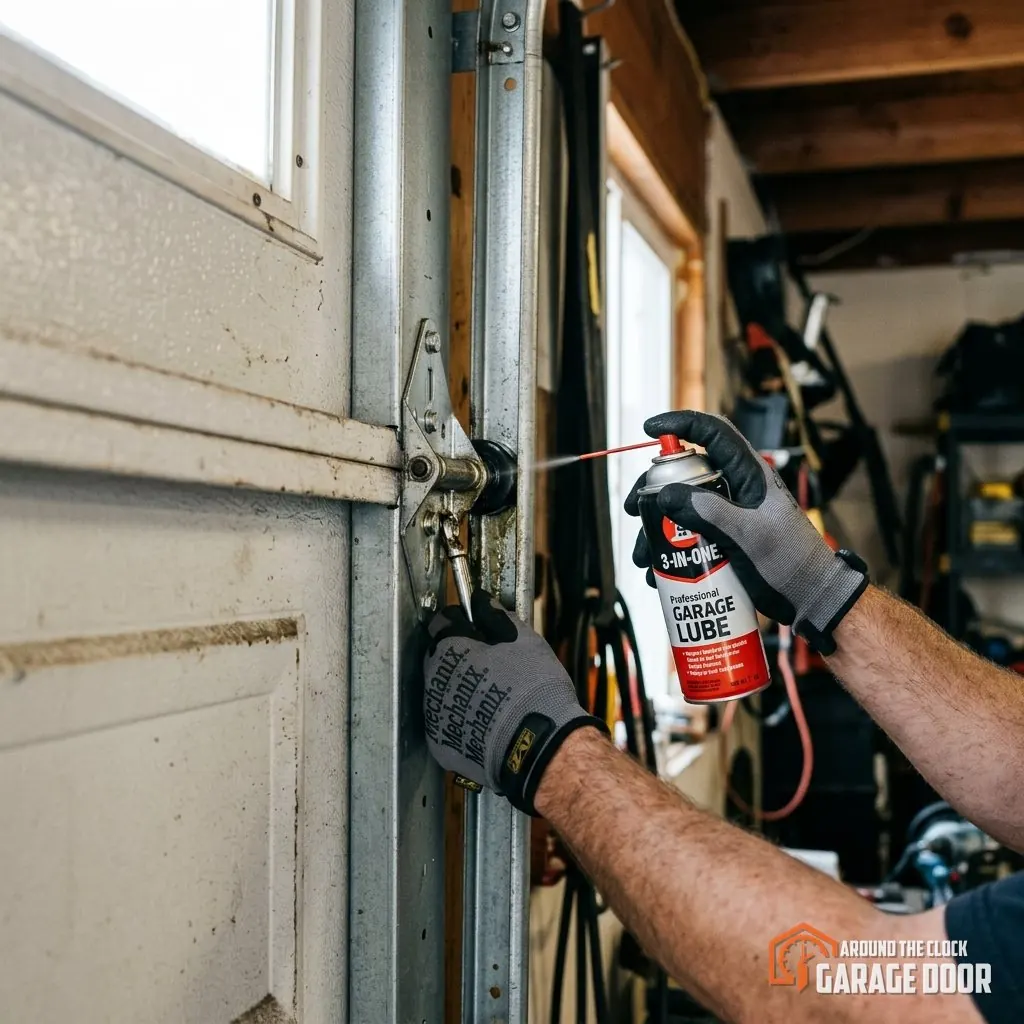
Regular maintenance is key to preserving the material and durability of your garage door. This includes routine inspections, cleaning, lubrication, and timely repairs. Our garage door maintenance services can help keep your door in top condition, enhancing its performance and lifespan.
In conclusion, the material and durability of a commercial garage door significantly impact its performance, appearance, and cost-effectiveness. Therefore, it’s essential to choose a door made from a suitable material and ensure it’s durable enough to withstand the demands of your commercial property. With our wide range of garage doors and professional services, we can help you make the best choice for your property.
Garage door resource
How to Match Your Garage Door with Your Commercial Property’s Aesthetic
Choosing the right garage door for your commercial property is a crucial decision that can significantly impact the overall aesthetic appeal and functionality of your premises. One of the key aspects to consider is how well the garage door matches with your property’s aesthetic. This involves a careful selection of the garage door style, material, color, and design that complements your commercial property’s architectural style and color scheme.
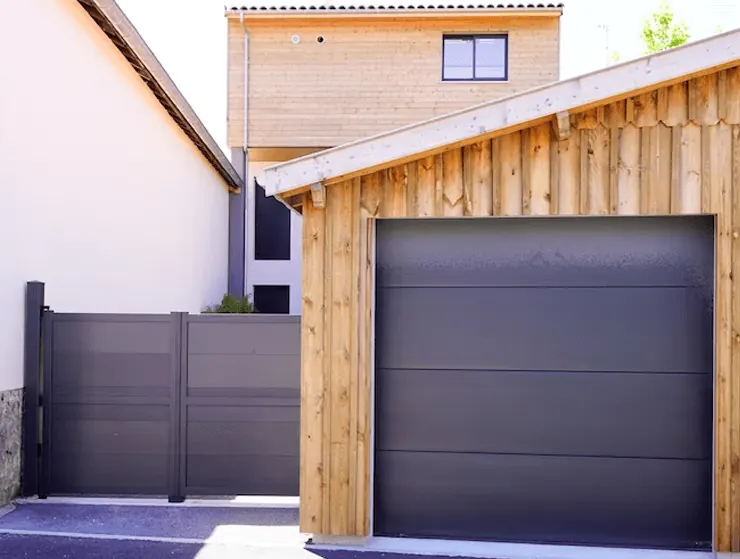
The first step in this process is to understand the architectural style of your commercial property. Is it modern, traditional, or industrial? Once you have a clear understanding of your property’s style, you can then start looking for a garage door that complements it. For instance, a sleek, minimalist steel garage door would be a perfect match for a modern commercial property, while a wooden garage door might be more suitable for a traditional-style property.
The material of the garage door is another important factor to consider. Different materials not only offer different aesthetic appeals but also come with their own set of benefits and drawbacks. For example, steel garage doors are durable and require little maintenance, making them a practical choice for many commercial properties. On the other hand, wood garage doors offer a classic and timeless appeal, but they require regular maintenance to keep them in good condition.
The color of the garage door should ideally match or complement the color scheme of your commercial property. You can choose a color that matches the exterior walls of your property or go for a contrasting color to make the garage door stand out. Remember, the goal is to enhance the overall aesthetic appeal of your property, not to make the garage door a distracting element.
The design of the garage door, including any windows or decorative elements, should also be in harmony with your property’s aesthetic. For instance, if your commercial property has a lot of glass elements, choosing a garage door with windows could be a good idea to maintain a consistent look.
Finally, don’t forget about the practical aspects. The garage door should not only look good but also function well. It should be easy to operate and provide a high level of security to protect your commercial property. You might want to consider options like new garage door openers for added convenience and security.
In conclusion, matching your garage door with your commercial property’s aesthetic involves a careful consideration of the style, material, color, and design of the garage door. By taking the time to choose the right garage door, you can enhance the aesthetic appeal of your property while also ensuring its functionality and security.
Garage door resource
The Role of Security Features in Commercial Garage Doors
When choosing a garage door for your commercial property, one of the most critical factors to consider is the security features. These features play a significant role in protecting your property, assets, and personnel. They also contribute to the overall functionality and efficiency of your commercial garage doors.
One of the primary security features to look for in commercial garage doors is the strength and durability of the material. Steel is a popular choice due to its robust nature and resistance to damage. Steel garage doors are not only tough but also require minimal maintenance, making them an ideal choice for commercial properties.
Another essential security feature is the locking mechanism. A robust and secure lock can deter potential intruders and provide an additional layer of security. Some commercial garage doors come with integrated locks, while others may require the installation of a separate locking system. It’s crucial to choose a lock that is resistant to picking, drilling, and other forms of forced entry.
The type of garage door opener you choose also plays a role in the security of your commercial property. Some openers come with advanced features such as rolling code technology, which changes the code each time the opener is used, preventing code grabbing. Other security features to consider include automatic reversal systems, which prevent the door from closing if an object or person is detected in its path, and manual release mechanisms, which allow the door to be opened manually in case of a power outage. For more information on choosing the right opener, you can visit our new garage opener page.
Weather stripping is another security feature that should not be overlooked. It seals the gaps around the door, preventing drafts, dust, and pests from entering your property. More importantly, it also deters potential intruders by making the door more challenging to force open. You can learn more about this feature on our weather stripping page.
Lastly, regular maintenance is crucial in ensuring the security features of your commercial garage door remain effective. This includes regular inspections to identify any potential issues, timely repairs, and replacements of worn-out parts. Our team at Around the Clock Garage Door offers comprehensive garage door maintenance services to ensure your door remains in optimal condition.
In conclusion, the security features of commercial garage doors play a vital role in protecting your property and ensuring the smooth operation of your business. By considering these features when choosing a garage door, you can enhance the security of your commercial property and enjoy peace of mind.
Garage door resource
Cost Considerations for Commercial Garage Doors
When choosing a garage door for your commercial property, it’s essential to consider the cost implications. The price of commercial garage doors can vary significantly based on several factors, including the material, size, style, and additional features.
The material of the door is one of the most significant cost determinants. For instance, steel garage doors are known for their durability and low maintenance, but they can be more expensive than other materials. On the other hand, aluminum doors are typically less expensive but may not offer the same level of durability.
The size of the door also plays a crucial role in the overall cost. Larger doors require more materials and labor to install, which can increase the price. Additionally, custom-sized doors may also come with a higher price tag due to the extra work involved in their fabrication and installation.
The style of the door can also impact the cost. More elaborate designs with windows or intricate patterns will typically cost more than simpler, more utilitarian styles. However, it’s important to remember that the style of the door can significantly impact the overall aesthetic of your property, so it may be worth investing in a more expensive design if it enhances your property’s curb appeal.
Additional features, such as insulation, can also add to the cost of commercial garage doors. Insulated doors can help to reduce energy costs by keeping heat in during the winter and out during the summer. However, they are typically more expensive than non-insulated doors.
It’s also important to factor in the cost of installation. Depending on the complexity of the installation, this can add a significant amount to the overall cost of the door. At Around The Clock Garage Door, we offer new garage door installation services that are competitively priced and carried out by experienced professionals.
Maintenance and repair costs should also be considered. Over time, parts such as springs and hinges may need to be replaced. We offer a range of services, including garage door spring repair and hinge replacement, to help keep your door in optimal condition.
Lastly, it’s worth considering the potential cost savings that a new garage door can bring. A well-insulated, properly installed door can help to reduce energy costs, while a secure, sturdy door can help to lower insurance premiums by reducing the risk of break-ins.
In conclusion, while the upfront cost of a commercial garage door can be significant, it’s important to consider the long-term value it can provide. By choosing a high-quality door that’s well-suited to your needs, you can ensure that it’s a worthwhile investment for your commercial property.
Garage door resource
The Benefits of Professional Installation for Commercial Garage Doors
Selecting the right garage door for your commercial property is a critical decision that can significantly impact your business’s functionality and aesthetics. While the type, material, and design of the door are essential factors, the installation process is equally crucial. Opting for professional installation services can offer numerous benefits that can enhance the overall value and efficiency of your commercial garage door.
One of the primary advantages of professional installation is the assurance of quality. Experts from a reputable company like Around The Clock Garage Door have the necessary skills and experience to handle the installation process with precision. They are well-versed with the intricacies of different types of garage doors, whether it’s a steel garage door or a door with advanced features. Their expertise ensures that the door is installed correctly, which can significantly enhance its lifespan and performance.
Professional installation also guarantees safety. Garage doors are heavy and require proper handling during installation. Any mishap can lead to severe injuries or damage to the property. Professionals are trained to handle such tasks safely, minimizing the risk of accidents. They also ensure that all safety features of the door, such as the garage door spring, are correctly installed and functioning.
Time efficiency is another benefit of professional installation. Installing a commercial garage door can be a time-consuming task, especially for those unfamiliar with the process. Professionals, on the other hand, can complete the task efficiently, allowing you to focus on your core business operations. They also provide an estimate for garage doors, helping you plan your budget effectively.
Professional installation also offers the advantage of post-installation support. Most professional services provide maintenance and repair services, ensuring that your garage door remains in optimal condition. Whether it’s a minor garage door alignment issue or a significant garage door replacement, you can rely on them for prompt and efficient service.
Lastly, professional installation can enhance the aesthetic appeal of your commercial property. Professionals can guide you in choosing a door that complements your property’s architecture and install it seamlessly, enhancing your property’s curb appeal.
In conclusion, professional installation for commercial garage doors is an investment that offers substantial returns in terms of quality, safety, time efficiency, support, and aesthetics. Therefore, while choosing a garage door for your commercial property, it’s advisable to opt for professional installation services.
In conclusion, choosing the right garage door for your commercial property is a crucial decision that can significantly impact your business’s functionality, security, and aesthetic appeal. It’s essential to consider factors such as material, insulation, security features, maintenance, and cost. Remember, the best garage door for your commercial property is one that meets your specific needs and preferences, aligns with your budget, and complements your property’s overall design. Don’t hesitate to seek professional advice to ensure you make an informed decision that will serve your business well in the long run.
Garage door resource
Describe the condition before operating the door
A useful how to choose a garage door for your commercial property assessment starts with the door's position, the last normal cycle, the control that was used, and the first sound or movement that changed. Note whether the door is closed, partly open, crooked, detached, or resting on an object. These details help separate a control problem from a lifting, track, cable, roller, or panel problem without repeatedly cycling a damaged system.
Photographs taken from a safe position can show the full inside face of the door, the opener label, the spring arrangement, both vertical tracks, and visible cable or roller differences. Do not stand beneath an unstable door or move parts to improve the photograph. The installed system still needs direct inspection and measurement before compatibility or repair scope is confirmed.
Garage door resource
Keep the safety boundary clear
The safe first step for how to choose a garage door for your commercial property depends on stability. A crooked, hanging, unusually heavy, or partly detached door should be left in place with people and vehicles outside its travel path. Springs, cables, drums, bottom brackets, and loaded tracks can store or transfer substantial force. Pulling, loosening, cutting, or improvising around those parts can turn a repairable condition into a sudden drop.
If the door is fully closed and stable, avoid repeated opener cycles while arranging an assessment. If it is open or partly open, do not treat the opener as a support device. Disconnecting a door is not automatically safe because a failed spring or cable can make the full door weight difficult to control.
Keep children, pets, stored equipment, and foot traffic away from the opening until the door's support and lifting condition are known. A temporary visual boundary is safer than relying on someone to remember that the door should not be touched.
Garage door resource
Verify the complete operating system
Completion of how to choose a garage door for your commercial property should include more than seeing the door move once. The relevant sequence may include balance, smooth manual travel, even section movement, cable seating, roller and track observation, hardware review, opener travel settings, photo-eye response, reversal behavior, remote operation, keypad response, and final closed-position alignment.
The handoff should explain what changed, what was tested, and what the owner should watch during ordinary use. If a test cannot be completed because another condition remains, that limitation belongs in the service record. Clear verification makes the finished condition easier to evaluate than a simple statement that the door is working.
Garage door resource
Match parts to the installed door
Compatibility matters during how to choose a garage door for your commercial property. Door weight, height, track radius, shaft and drum arrangement, spring dimensions, opener type, panel construction, available headroom, and existing mounting points can change the correct part or procedure. A component that looks similar may carry a different load rating or geometry, so measurements and model information should guide selection instead of appearance alone.
When an original component is unavailable, the recommendation should identify the compatible specification rather than promise a brand match that has not been confirmed. Ask what was measured, what rating or size is required, whether paired components should be evaluated together, and how the selected part will be checked through the complete operating range after installation.
Garage door resource
Compare repair and replacement using condition
The repair-versus-replacement decision for how to choose a garage door for your commercial property should use condition, compatibility, expected remaining service, and the effect on the rest of the system. One worn component on an otherwise sound door may support a focused repair. Repeated failures, unavailable matching sections, widespread corrosion, severe impact damage, or incompatible control hardware may justify a broader option review.
Ask for the reason behind the recommendation and what a smaller repair would or would not solve. Replacement can offer practical benefits, but those benefits should be tied to the actual opening, hardware, controls, insulation needs, and owner priorities rather than a generic upgrade pitch.
Garage door resource
Make the estimate easy to compare
A useful how to choose a garage door for your commercial property estimate names the work, major components, labor scope, testing, disposal or haul-away when relevant, and conditions that could change the price after the system is opened or measured. It should distinguish a diagnostic or service charge from the repair amount. Clear scope is more useful than a headline price that leaves necessary items undefined.
Before approving work, confirm whether the scope covers paired parts, fasteners, brackets, adjustments, programming, safety-reversal checks, travel-limit settings, balance testing, and cleanup as applicable. Ask how changes will be authorized if inspection reveals a different configuration. These questions make unlike proposals easier to compare without assuming they represent the same work.
Garage door resource
Prepare access without disturbing the failure
Preparation for how to choose a garage door for your commercial property should improve access without moving a questionable door. Clear stored items from the side walls, opener area, and safe work zone when possible. Move vehicles only if they can be moved without operating or passing beneath an unstable door. Provide gate, parking, and interior-access details, and identify electrical controls that may be relevant to the opener system.
Keep remotes, keypads, vehicle controls, and available model documents ready. Explain recent power interruptions, impacts, unusual weather exposure, manual operation, or previous repair attempts. That history can reveal whether the present symptom is isolated or follows a change elsewhere in the system.
Garage door resource
Protect the corrected system with observation
Maintenance after how to choose a garage door for your commercial property should follow the installed hardware and manufacturer guidance. Owners can keep photo eyes clean, observe the door's path, listen for new changes, keep tracks free of debris, and avoid hanging or storing items on door components. Lubrication should use appropriate products and points; tracks and safety sensors should not be coated indiscriminately.
Watch for uneven travel, delayed response, new vibration, frayed cable strands, loose-looking hardware, gaps in the weather seal, repeated opener reversal, or changes in door balance. Early reporting can limit secondary damage because the shared-load system has not been forced through many failed cycles.
Plan the next step