
Around the Clock resource
Insulating Your Garage Door: A Step-by-Step Guide
Welcome to Around The Clock Garage Door, your trusted experts in quality garage door installations and repairs. In this blog post, we will guide you through a step-by-step process on insulating your garage door. Garage door insulation is a crucial aspect of maintaining your garage’s temperature and energy efficiency. It not only helps in reducing energy costs but also enhances the comfort and usability of your garage space. Whether you’re battling the summer heat or winter chill, an insulated garage door can make a significant difference. From selecting the right insulation material to the actual installation process, we’ve got you covered. For more personalized advice or professional assistance, don’t hesitate to book an appointment with us at (650) 489-6631 or schedule a service request. Let’s dive into the world of garage door insulation and explore how you can improve your garage’s energy efficiency.
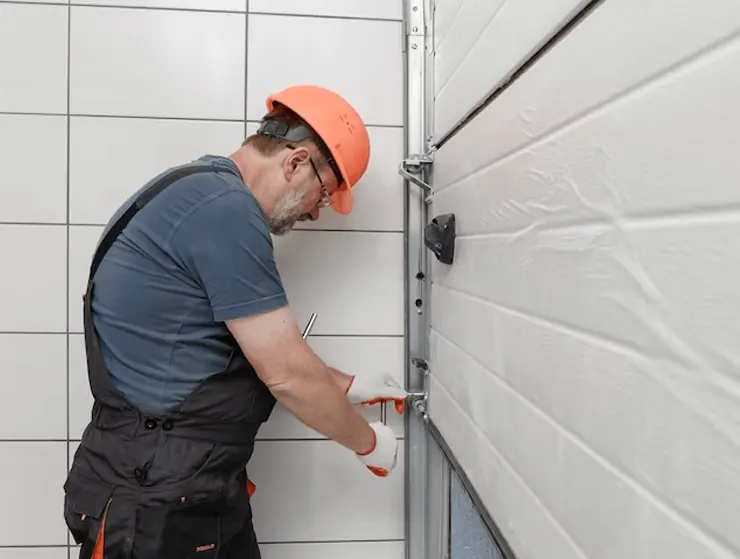 Springs, openers, tracks, cables, rollers, panels, and installation
Service system
Understand the problem before choosing the work
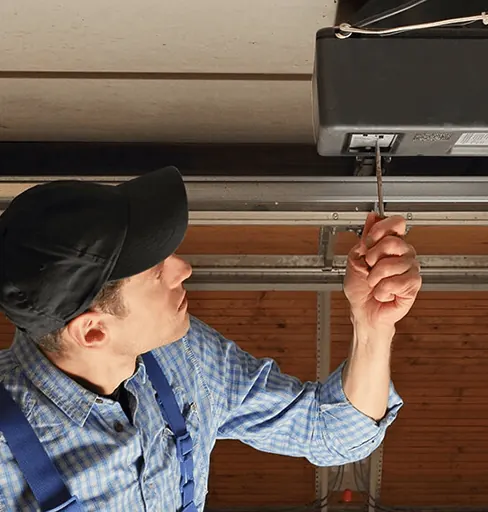
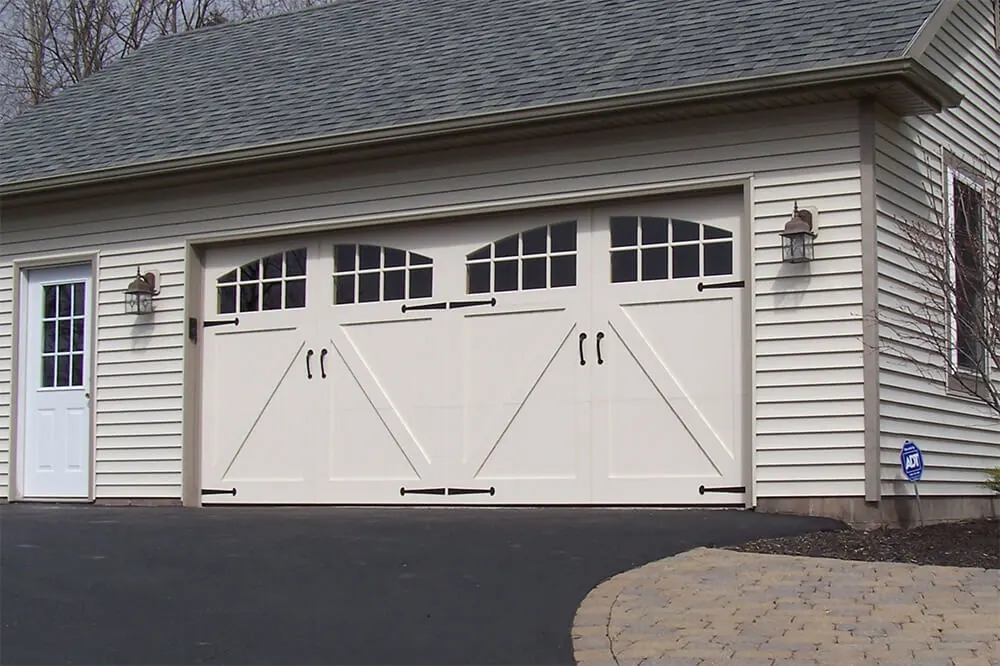
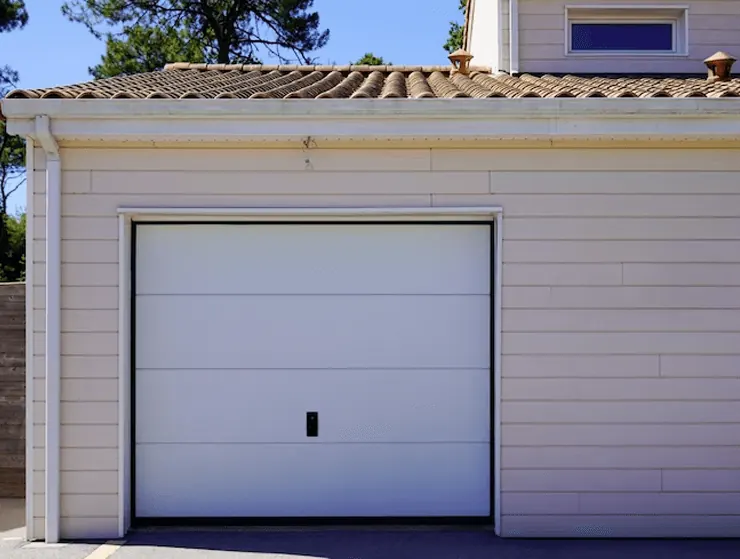
Garage door resource
What to know before service
Garage door resource
Understanding the Importance of Garage Door Insulation
Insulating your garage door is a crucial aspect of maintaining an energy-efficient home. It can significantly reduce energy costs by preventing heat loss during winter and keeping the garage cool during summer. This process is not only beneficial for the environment but also for your wallet.
Garage door insulation is particularly important for homeowners who use their garage as a workspace or for storing temperature-sensitive items. Without proper insulation, the garage can become a hot or cold spot in the house, depending on the season. This can lead to discomfort and potential damage to stored items.
“Insulating your garage door can reduce energy consumption by up to 20% annually.”
This statistic from the U.S. Department of Energy highlights the significant impact that garage door insulation can have on a household’s energy usage.
There are several types of insulation materials available for garage doors, including foam board, reflective foil, and fiberglass. The choice of insulation material depends on the specific needs and budget of the homeowner.
When insulating your garage door, it’s important to consider the door’s material. For instance, a steel garage door may require a different insulation approach compared to a wooden one.
Moreover, the process of insulating a garage door involves several steps, including measuring the door, cutting the insulation to fit, and securing the insulation to the door. It’s crucial to follow these steps carefully to ensure the insulation is effective.
For homeowners who are not comfortable with DIY projects, professional services like Around the Clock Garage Door can handle the insulation process. They offer a range of services, including garage door maintenance and garage door replacement, ensuring your garage door is properly insulated and functioning optimally.
In conclusion, understanding the importance of garage door insulation is the first step towards creating a more energy-efficient home. Whether you choose to DIY or hire professionals, insulating your garage door is a worthwhile investment that can save you money and make your home more comfortable.
For more information on garage door insulation, visit the U.S. Department of Energy’s Insulation page.
- Foam board insulation: This type of insulation is lightweight and easy to install. It offers a high insulation value for relatively little thickness.
- Reflective foil insulation: This is a thin layer of insulation that reflects heat away from the garage. It is ideal for hot climates.
- Fiberglass insulation: This is a traditional type of insulation that is effective in all climates. It is also fire-resistant and soundproof.
Garage door resource
Different Types of Garage Door Insulation Materials
Insulating your garage door is a crucial step towards energy efficiency and temperature regulation in your home. The type of insulation material you choose can significantly impact the effectiveness of the insulation process. There are several types of insulation materials that you can use, each with its unique properties and benefits.
One of the most common types of insulation material is fiberglass. This material is lightweight, easy to install, and provides excellent thermal insulation. Fiberglass is also resistant to heat transfer, making it an ideal choice for garage doors. However, it’s essential to handle fiberglass with care as it can cause skin irritation and respiratory problems if mishandled. For professional installation, you can check out our garage door installation services.
Another popular insulation material is foam board. These are rigid panels of insulation that can be cut to fit your garage door. They offer high insulating value for relatively little thickness, making them ideal for insulating garage doors. Foam boards are also resistant to moisture, which can be beneficial in humid climates. For more information on how to install foam board insulation, visit our garage door service page.
Reflective insulation is another option to consider. This type of insulation is made from reflective aluminum foil attached to a backing material, such as cardboard or plastic film. Reflective insulation is particularly effective in hot climates as it reflects radiant heat, keeping your garage cooler. To learn more about the benefits of reflective insulation, check out our garage door maintenance page.
Spray foam insulation is also a viable option. This type of insulation expands when sprayed, filling gaps and providing a high level of insulation. Spray foam also adds structural integrity to your garage door, making it more resistant to wind and impact damage. However, spray foam insulation requires professional installation. You can find more information about this service on our garage door parts page.
Lastly, there’s cellulose insulation. Made from recycled paper products, cellulose is an eco-friendly insulation option. It’s treated with fire retardants and insecticides, making it safe and durable. However, cellulose insulation can be challenging to install and may require professional assistance.
Choosing the right insulation material for your garage door depends on various factors, including your local climate, garage usage, and budget. By understanding the different types of insulation materials available, you can make an informed decision that best suits your needs.
Garage door resource
Tools Needed for Garage Door Insulation
Insulating your garage door is a crucial task that can significantly improve the energy efficiency of your home. However, to accomplish this task effectively, you need to have the right tools at your disposal. The following is a comprehensive list of the tools you will need to insulate your garage door successfully.
Firstly, you will need a measuring tape. This tool is essential for taking accurate measurements of your garage door. The measurements will guide you in cutting the insulation material to the correct size. It’s also important to measure the thickness of your garage door to ensure you purchase the right insulation material.
Next, you will need a utility knife or a pair of heavy-duty scissors. These tools are used to cut the insulation material to the correct size. A utility knife is particularly useful when dealing with rigid insulation materials like polystyrene or polyurethane. Remember to always exercise caution when using sharp tools to avoid injuries.
A staple gun or adhesive is another essential tool for garage door insulation. These are used to secure the insulation material to the garage door. A staple gun is ideal for soft insulation materials like fiberglass or foam board, while adhesive is best for rigid insulation materials.
In addition, you will need a straight edge or a ruler. This tool is used in conjunction with the utility knife to ensure you make straight, clean cuts on the insulation material. A straight edge or ruler is particularly important when dealing with rigid insulation materials that require precise cuts.
Lastly, you will need gloves and safety glasses. These are essential safety equipment that protect your hands and eyes when handling insulation materials. Some insulation materials can cause skin irritation or release small particles that can harm your eyes.
For more information on garage door insulation, you can visit our home page. We offer a wide range of services including weather stripping and garage door maintenance that can help improve the energy efficiency of your garage door.
Remember, having the right tools is just the first step in insulating your garage door. You also need to know how to use these tools correctly and safely. If you’re not confident in your ability to insulate your garage door, it’s always best to hire a professional.
Garage door resource
Step-by-Step Process of Insulating Your Garage Door
Insulating your garage door is a practical way to reduce energy costs and improve the comfort of your workspace. This process is not as daunting as it may seem, and with the right tools and guidance, you can complete this project in a day.
Before you begin, it’s essential to understand the type of insulation that will best suit your needs. There are three main types of insulation: batt insulation, foam board insulation, and reflective insulation. Batt insulation is typically made of fiberglass and is a good choice for garages with a lot of air movement. Foam board insulation is made of polystyrene and provides a high insulating value for relatively little thickness. Reflective insulation reflects radiant heat, making it a good choice for garages that get a lot of sun.
Once you’ve chosen your insulation, you’ll need to measure your garage door to determine how much material you’ll need. Be sure to measure each panel individually, as they may not all be the same size.
Next, cut your insulation to fit each panel. If you’re using batt or foam board insulation, you can use a utility knife to cut it to size. If you’re using reflective insulation, you’ll need a pair of scissors.
After cutting your insulation, you can begin to install it. Start at the top of your garage door and work your way down. If you’re using batt insulation, simply tuck it into each panel. If you’re using foam board or reflective insulation, you’ll need to secure it with adhesive.
Once all of your panels are insulated, you’ll need to seal them to prevent air leakage. You can do this with weatherstripping or a weather seal. If your garage door doesn’t already have a weather seal, you can install one yourself. Visit our weather seal replacement page for more information on this process.
Finally, you’ll need to check your garage door for any gaps or leaks. You can do this by closing the door and looking for any light coming through. If you see any gaps, you can seal them with caulk or weatherstripping.
Insulating your garage door is a cost-effective way to improve the comfort of your workspace and reduce energy costs. With the right tools and a little bit of time, you can complete this project yourself. If you need any additional help or materials, don’t hesitate to visit our garage door parts page or contact us for a an estimate.
Remember, regular garage door maintenance can extend the life of your door and prevent costly repairs down the line. So, don’t wait until it’s too late, start insulating your garage door today!
Garage door resource
Safety Precautions to Consider While Insulating Your Garage Door
Insulating your garage door is a practical way to increase your home’s energy efficiency and reduce noise. However, it’s crucial to prioritize safety while undertaking this project. Here are some safety precautions to keep in mind.
Firstly, ensure you have the right tools and materials for the job. This includes insulation material, a utility knife, a straight edge, and a tape measure. It’s also recommended to wear protective gear such as gloves, safety glasses, and a dust mask to prevent inhalation of insulation fibers.
Before starting the insulation process, it’s essential to inspect your garage door for any signs of wear or damage. If you notice any issues, it might be best to consider a garage door replacement before proceeding with insulation.
When cutting insulation material, always cut away from your body to avoid injury. Also, make sure your work area is well-lit and clear of any obstacles that could cause trips or falls.
It’s also important to consider the type of insulation you’re using. Some materials, like fiberglass, can be harmful if inhaled or if they come into contact with your skin. Always handle these materials with care and follow the manufacturer’s safety instructions.
If your garage door is equipped with a garage door opener, ensure it’s turned off and unplugged before starting the insulation process. This will prevent any accidental activation of the door while you’re working.
When installing the insulation, make sure it’s securely attached to the door. Loose insulation can pose a safety risk as it can fall out and cause injury or damage.
Once the insulation is installed, it’s a good idea to check the balance of your garage door. An unbalanced door can strain the door’s components and potentially lead to a door off track situation, which can be dangerous.
Lastly, remember to regularly maintain your insulated garage door. Regular garage door maintenance can help identify any potential issues early and ensure your door continues to operate safely and efficiently.
In conclusion, while insulating your garage door can offer many benefits, it’s vital to prioritize safety during the process. By following these precautions, you can ensure a successful and safe insulation project.
Garage door resource
Maintaining Your Insulated Garage Door
Once you have successfully insulated your garage door, it is crucial to maintain it properly to ensure its longevity and effectiveness. Regular maintenance not only helps in keeping the door in optimal condition but also enhances its insulation properties, thereby saving energy costs in the long run.
The first step in maintaining your insulated garage door is to conduct regular inspections. Look for any signs of wear and tear, such as cracks or gaps in the insulation material. If you notice any damage, it’s essential to address it immediately to prevent further deterioration. You can do this by contacting a professional service like garage door maintenance to ensure the job is done correctly.
Next, clean the garage door regularly. Dust and debris can accumulate over time, reducing the effectiveness of the insulation. Use a soft brush or cloth to wipe down the door and remove any dirt. Avoid using harsh chemicals as they can damage the insulation material. If your garage door is made of steel, consider using a mild detergent and water to clean it.
It’s also important to check the weather stripping regularly. Weather stripping is a crucial component of an insulated garage door as it seals the gaps around the door, preventing air leakage. If the weather stripping is worn out or damaged, it can significantly affect the insulation properties of the door. In such cases, you may need to replace it. You can find professional help for weather seal replacement to ensure a proper seal.
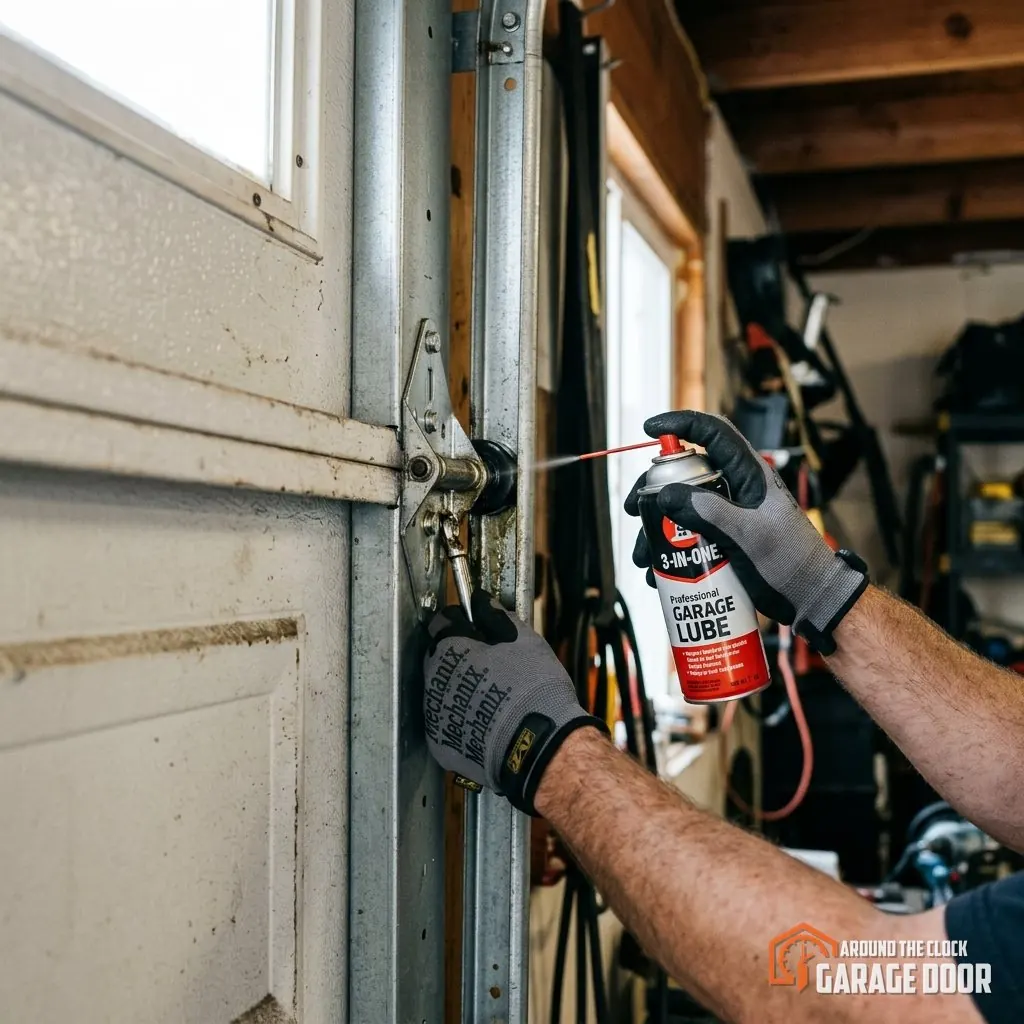
Another important aspect of maintaining an insulated garage door is lubricating the moving parts. Over time, the moving parts of the garage door, such as the hinges and springs, can become stiff and noisy, affecting the door’s operation. Regular lubrication can help keep these parts running smoothly, thereby extending the lifespan of the door. You can use a silicone-based lubricant for this purpose.
In case of any major issues with the door, such as a broken spring or a door off track, it’s advisable to seek professional help. Attempting to fix these issues yourself can be dangerous and may lead to further damage. You can find professional services for garage door spring repair and door off track repairs.
Lastly, consider scheduling regular professional maintenance. A professional can thoroughly inspect your garage door and address any potential issues before they become major problems. They can also provide valuable advice on how to maintain your insulated garage door effectively.
In conclusion, maintaining your insulated garage door is not a daunting task. With regular inspections, cleaning, lubrication, and professional maintenance, you can ensure that your garage door remains in top condition, providing effective insulation for many years to come.
Garage door resource
The Benefits of an Insulated Garage Door
Insulating your garage door can provide a multitude of benefits, ranging from energy efficiency to increased comfort and security. One of the primary advantages of an insulated garage door is its ability to maintain a consistent temperature within your garage. This is particularly beneficial in regions with extreme weather conditions. By preventing cold air from entering in the winter and hot air from infiltrating in the summer, an insulated garage door can help to reduce your energy costs. This is because your heating and cooling systems won’t have to work as hard to compensate for temperature fluctuations caused by an uninsulated garage door.
Another significant benefit of an insulated garage door is noise reduction. If your home is located near a busy street or noisy neighborhood, an insulated garage door can help to dampen the sound and create a quieter, more peaceful living environment. This is due to the dense insulation material that absorbs sound waves, preventing them from penetrating through the door.
In addition to energy efficiency and noise reduction, an insulated garage door also offers enhanced durability. The insulation adds an extra layer of protection, making the door more resistant to dents and damage. This can be particularly beneficial if you use your garage for activities such as woodworking or car repairs, where the door could potentially be subjected to impact.
Moreover, an insulated garage door can also increase the overall value of your home. Prospective buyers often look for energy-efficient features when house hunting, and an insulated garage door can be a significant selling point.
At Around the Clock Garage Door, we offer a range of services to help you insulate your garage door. Our garage door maintenance service includes checking the insulation and ensuring it’s in good condition. If you’re considering a new installation, our new garage door installation service includes a variety of insulated options.
If you’re experiencing issues with your current garage door, our repair garage door installation service can assess whether insulation could improve its performance. We also offer a garage door replacement service if your existing door is beyond repair or if you simply want to upgrade to an insulated model.
In conclusion, insulating your garage door can provide numerous benefits, including improved energy efficiency, noise reduction, increased durability, and enhanced home value. Whether you’re looking to install a new insulated garage door or upgrade your existing one, Around the Clock Garage Door has the expertise and services to meet your needs.
In conclusion, insulating your garage door is a practical and cost-effective way to increase your home’s energy efficiency, reduce noise pollution, and improve the overall comfort of your garage space. This step-by-step guide has hopefully made the process less daunting and more achievable for homeowners. Remember, the key to a successful insulation project lies in careful planning, using the right materials, and following the instructions meticulously. With a bit of time and effort, you can transform your garage into a more comfortable and energy-efficient space.
Garage door resource
Describe the condition before operating the door
A useful insulating your garage door: a step-by-step guide assessment starts with the door's position, the last normal cycle, the control that was used, and the first sound or movement that changed. Note whether the door is closed, partly open, crooked, detached, or resting on an object. These details help separate a control problem from a lifting, track, cable, roller, or panel problem without repeatedly cycling a damaged system.
Photographs taken from a safe position can show the full inside face of the door, the opener label, the spring arrangement, both vertical tracks, and visible cable or roller differences. Do not stand beneath an unstable door or move parts to improve the photograph. The installed system still needs direct inspection and measurement before compatibility or repair scope is confirmed.
Garage door resource
Keep the safety boundary clear
The safe first step for insulating your garage door: a step-by-step guide depends on stability. A crooked, hanging, unusually heavy, or partly detached door should be left in place with people and vehicles outside its travel path. Springs, cables, drums, bottom brackets, and loaded tracks can store or transfer substantial force. Pulling, loosening, cutting, or improvising around those parts can turn a repairable condition into a sudden drop.
If the door is fully closed and stable, avoid repeated opener cycles while arranging an assessment. If it is open or partly open, do not treat the opener as a support device. Disconnecting a door is not automatically safe because a failed spring or cable can make the full door weight difficult to control.
Keep children, pets, stored equipment, and foot traffic away from the opening until the door's support and lifting condition are known. A temporary visual boundary is safer than relying on someone to remember that the door should not be touched.
Garage door resource
Verify the complete operating system
Completion of insulating your garage door: a step-by-step guide should include more than seeing the door move once. The relevant sequence may include balance, smooth manual travel, even section movement, cable seating, roller and track observation, hardware review, opener travel settings, photo-eye response, reversal behavior, remote operation, keypad response, and final closed-position alignment.
The handoff should explain what changed, what was tested, and what the owner should watch during ordinary use. If a test cannot be completed because another condition remains, that limitation belongs in the service record. Clear verification makes the finished condition easier to evaluate than a simple statement that the door is working.
Garage door resource
Match parts to the installed door
Compatibility matters during insulating your garage door: a step-by-step guide. Door weight, height, track radius, shaft and drum arrangement, spring dimensions, opener type, panel construction, available headroom, and existing mounting points can change the correct part or procedure. A component that looks similar may carry a different load rating or geometry, so measurements and model information should guide selection instead of appearance alone.
When an original component is unavailable, the recommendation should identify the compatible specification rather than promise a brand match that has not been confirmed. Ask what was measured, what rating or size is required, whether paired components should be evaluated together, and how the selected part will be checked through the complete operating range after installation.
Garage door resource
Compare repair and replacement using condition
The repair-versus-replacement decision for insulating your garage door: a step-by-step guide should use condition, compatibility, expected remaining service, and the effect on the rest of the system. One worn component on an otherwise sound door may support a focused repair. Repeated failures, unavailable matching sections, widespread corrosion, severe impact damage, or incompatible control hardware may justify a broader option review.
Ask for the reason behind the recommendation and what a smaller repair would or would not solve. Replacement can offer practical benefits, but those benefits should be tied to the actual opening, hardware, controls, insulation needs, and owner priorities rather than a generic upgrade pitch.
Garage door resource
Make the estimate easy to compare
A useful insulating your garage door: a step-by-step guide estimate names the work, major components, labor scope, testing, disposal or haul-away when relevant, and conditions that could change the price after the system is opened or measured. It should distinguish a diagnostic or service charge from the repair amount. Clear scope is more useful than a headline price that leaves necessary items undefined.
Before approving work, confirm whether the scope covers paired parts, fasteners, brackets, adjustments, programming, safety-reversal checks, travel-limit settings, balance testing, and cleanup as applicable. Ask how changes will be authorized if inspection reveals a different configuration. These questions make unlike proposals easier to compare without assuming they represent the same work.
Garage door resource
Prepare access without disturbing the failure
Preparation for insulating your garage door: a step-by-step guide should improve access without moving a questionable door. Clear stored items from the side walls, opener area, and safe work zone when possible. Move vehicles only if they can be moved without operating or passing beneath an unstable door. Provide gate, parking, and interior-access details, and identify electrical controls that may be relevant to the opener system.
Keep remotes, keypads, vehicle controls, and available model documents ready. Explain recent power interruptions, impacts, unusual weather exposure, manual operation, or previous repair attempts. That history can reveal whether the present symptom is isolated or follows a change elsewhere in the system.
Garage door resource
Protect the corrected system with observation
Maintenance after insulating your garage door: a step-by-step guide should follow the installed hardware and manufacturer guidance. Owners can keep photo eyes clean, observe the door's path, listen for new changes, keep tracks free of debris, and avoid hanging or storing items on door components. Lubrication should use appropriate products and points; tracks and safety sensors should not be coated indiscriminately.
Watch for uneven travel, delayed response, new vibration, frayed cable strands, loose-looking hardware, gaps in the weather seal, repeated opener reversal, or changes in door balance. Early reporting can limit secondary damage because the shared-load system has not been forced through many failed cycles.
Plan the next step