
Around the Clock resource
Understanding Garage Door Spring Types
Garage door springs are vital to smooth operation, since they bear the majority of the door's weight every time it opens or closes. There are two main types in residential use: torsion springs, mounted above the door and working through torque, and extension springs, mounted along the sides and working by stretching to help lift the door.
 Springs, openers, tracks, cables, rollers, panels, and installation
Service system
Understand the problem before choosing the work
Garage door resource
The Role of Garage Door Springs
Springs counterbalance the door's weight so the opener isn't doing all the lifting on its own. They provide lift support, help the opener carry the load, and serve a safety function by preventing the door from crashing shut if it's operated manually. A properly functioning spring system also protects the rest of the door's mechanism from excess strain.
Garage door resource
Main Types of Springs
Torsion springs are mounted above the opening and use torque to lift the door. They're durable, require low maintenance, and are considered safer because they have fewer exposed moving parts — though they're more complex to install. Extension springs run along either side of the door and stretch to provide lift. They're more cost-effective and easier to install but are generally less durable than torsion springs.
- Torsion springs: above the opening, use torque, durable, low maintenance, safer, more complex to install
- Extension springs: along the sides, stretch to lift, cost-effective, easier to install, less durable
Garage door resource
Torsion Springs: Features and Benefits
Torsion springs deliver consistent performance and are rated for up to roughly 20,000 cycles. They're considered safer due to having fewer exposed parts, provide strong lifting power for heavier doors, and require low ongoing maintenance. Because they operate under high tension and require specialized tools and expertise to install or replace, torsion spring work should be done by a trained professional.
Garage door resource
Extension Springs: Features and Benefits
Extension springs are affordable and, compared to torsion springs, easier for DIY-inclined homeowners to work with. They come in versatile sizing and are typically rated for 5,000 to 10,000 cycles. They do require safety cables to prevent injury if a spring snaps, and regular lubrication helps extend their working life.
Garage door resource
Signs of a Broken Spring
A loud bang is often the first sign that a spring has snapped. Other signs include uneven door movement or a door that looks slanted, and an opener that struggles or fails to lift the door at all. A broken spring creates a real risk that the door could fall unexpectedly, so it should be treated as a priority repair.
Garage door resource
Dangers and Safety Concerns: Why Spring Repair Is Risky
Garage door springs are under immense tension at all times, and mishandling them can cause serious injury. When a spring snaps, it releases that stored energy suddenly, and the door itself may slam shut, creating a hazard to anyone nearby. Attempting a spring fix without the right expertise and tools is genuinely dangerous. Hiring a trained professional is the safest way to minimize that risk.
Garage door resource
DIY vs. Professional Spring Repair
Spring repair requires specialized tools and in-depth knowledge, and mistakes made without experience can lead to costly damage or injury. A professional will diagnose the issue accurately, follow established safety standards, and deliver a longer-term fix. Before deciding how to proceed, honestly weigh your experience level, the time and equipment a repair would require, and your confidence around a task that involves this much stored energy.
Garage door resource
Maintenance Tips to Prevent Spring Failure
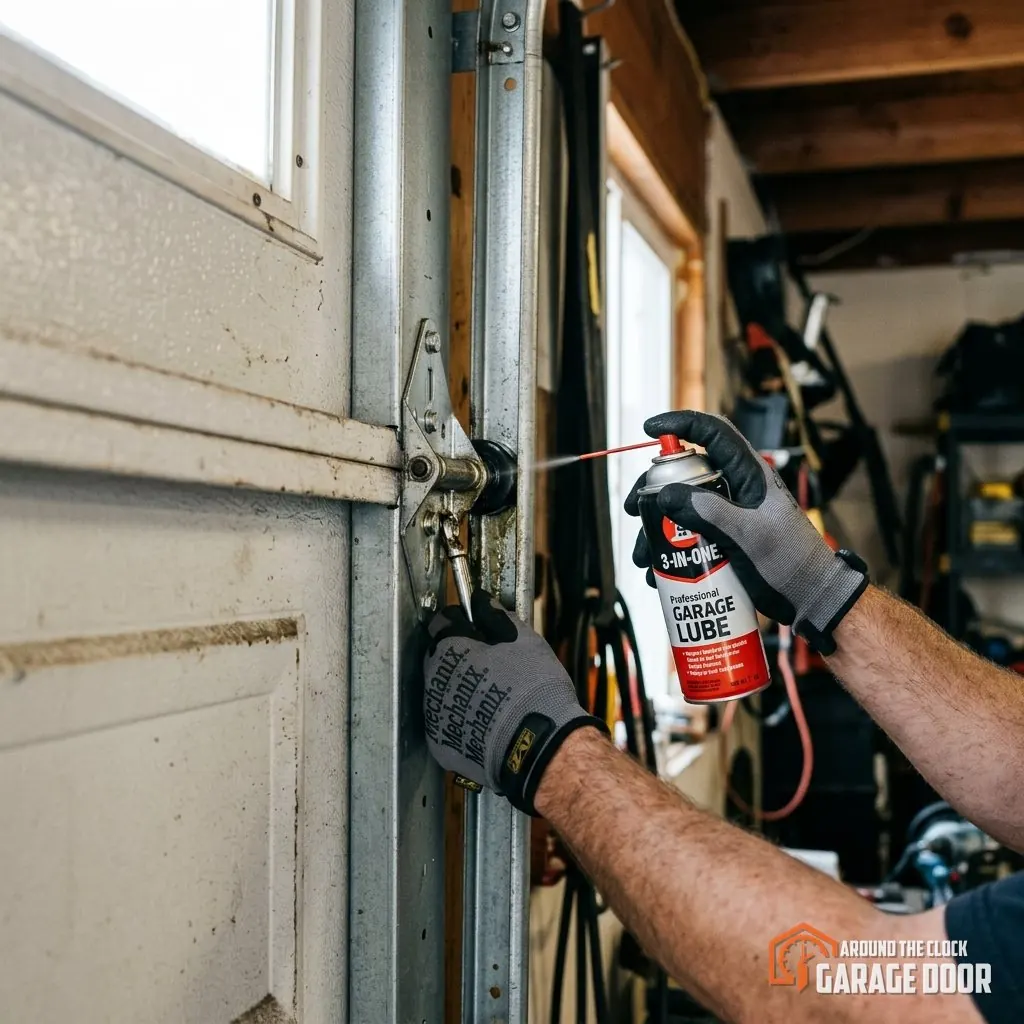
Inspect springs monthly for visible wear, rust, or gaps between coils. Lubricate with a silicone-based lubricant roughly every three months. Check the door's balance by seeing whether it stays in place when lifted halfway. Avoid overusing the door beyond normal daily cycles, and keep an eye on loose bolts or brackets nearby.
Garage door resource
Conclusion
Understanding the difference between spring types and staying on top of routine maintenance goes a long way toward keeping a garage door running smoothly. Regular inspections catch problems early, but when it comes time for an actual repair, professional service is almost always the safer, more reliable choice. Spring tension is not something to take lightly — always prioritize safety when a garage door spring is involved.
Common questions
Answers tied to the visible service guidance
How often should garage door springs be inspected?
A visual inspection every 3 to 6 months is a good baseline for catching wear, rust, or coil gaps before they become a bigger problem.
Should I replace one spring or both?
Both springs should be replaced together, even if only one has failed, so the door stays balanced and the remaining spring — which has gone through the same wear — doesn't fail again shortly after.
Can I repair a garage door spring myself?
DIY spring repair requires specialized tools and real expertise, since springs operate under very high tension. Because of that risk, professional service is generally the safer choice.
How long do garage door springs typically last?
Torsion springs are typically rated for 10,000 to 20,000 cycles, while extension springs are usually rated for 5,000 to 10,000 cycles.
What's the main safety concern with garage door springs?
The main concern is the high tension springs operate under — a sudden release of that stored energy can cause serious injury, which is why spring work should be left to trained professionals.
Plan the next step